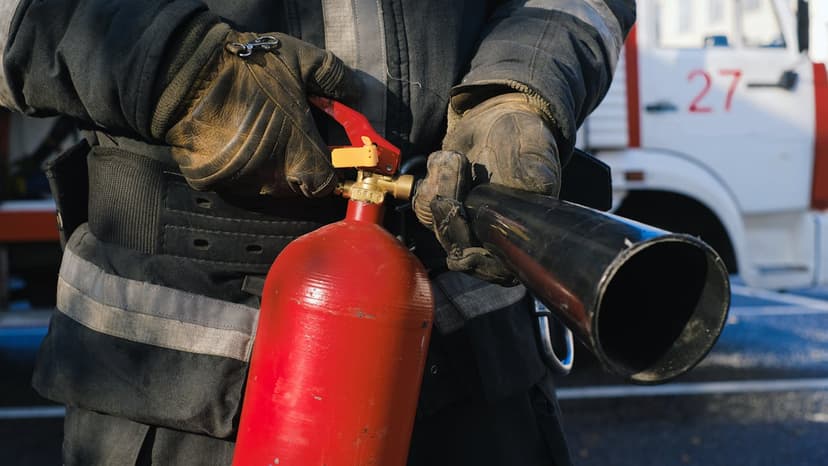
Fire Extinguisher Hydrostatic Test Intervals: When and How Should They Be Done?
Understanding the required hydrostatic test intervals for fire extinguishers is crucial for both regulatory compliance and workplace safety. This guide walks you through determining test periods, maintaining accurate records, preparing for inspections, and setting up practical tracking systems.
 Yangın Takip Ekibi
Confusion about hydrostatic test intervals for fire extinguishers is common in many facilities. As inspection dates approach, questions often arise: When was each extinguisher last tested? Are any overdue? Are records complete and accurate? Overlooking hydrostatic test intervals can introduce real risks—extinguishers past their due date may not perform in emergencies, exposing your organization to both legal and operational liabilities.
Without a clear plan, it’s easy to mix up refilling, maintenance, and hydrostatic testing schedules. Illegible or missing labels and errors in recordkeeping often cause last-minute stress before audits. Many safety managers and field teams find themselves scrambling for files just to answer, "When was this extinguisher's last hydrostatic test?" In this article, you'll find practical, step-by-step guidance for managing test schedules, recordkeeping, and inspection prep—grounded in real-world site experience.
What Is Hydrostatic Testing, and Why Is Its Interval Important?
Hydrostatic testing is a mandatory pressure test used to verify the structural integrity of fire extinguisher cylinders. Its main goal is to ensure the cylinder can safely withstand internal pressure, eliminating the risk of rupture and confirming the extinguisher is ready for emergency use. The test interval refers to the maximum period allowed between tests, starting from either the manufacturing date or the last successful test. While standard intervals are often defined by local regulations, the specific environment and extinguisher type can influence this schedule.
Neglecting regular hydrostatic tests increases the risk of internal corrosion, damage to valves or cylinder necks, and hidden wear that might jeopardize safety. If an extinguisher is found overdue during an inspection, organizations may face serious penalties. That’s why tracking hydrostatic test intervals should be an integral part of your facility’s safety procedures.
- Hydrostatic testing guarantees that extinguishers can be safely operated.
- Using extinguishers past their test interval is both unsafe and non-compliant.
- Inspectors routinely check hydrostatic test labels and corresponding records first.
How to Determine Test Intervals Based on Extinguisher Type
Because fire extinguishers come in various types and configurations, there’s no universal test interval. While portable extinguishers often have standard schedules, those installed in fixed systems or containing different agents (like CO2 or clean agents) may require different intervals. Matching the interval to the specific type in use minimizes errors and unnecessary costs.
Start by reviewing the manufacturer’s manual or the label on each extinguisher—these frequently specify the recommended test interval. If no guidance is provided, refer to applicable standards or local regulations. Don’t assume a "one-size-fits-all" schedule: for example, a dry chemical extinguisher and a CO2 extinguisher may require testing at different intervals.
- Extinguisher type and agent directly affect the test interval.
- Always consult manufacturer instructions and regulatory standards.
- Maintaining separate tracking lists for each extinguisher type helps prevent mistakes.
Best Practices for Labeling and Recordkeeping
The most reliable evidence that hydrostatic testing was performed on time is the information on the extinguisher’s label and in official records. In practice, missing or illegible labels and mismatched paperwork are among the most common and problematic issues during inspections.
To ensure a robust labeling system, affix a durable, tamper-resistant label to each extinguisher after every hydrostatic test, noting both the test date and the next due date in a clearly visible area. The label should be resistant to heat, moisture, and chemicals. All records—whether digital or hardcopy—should be stored in at least two locations and updated regularly.
- Test and next due dates must be clearly marked on every label.
- Match records with unique extinguisher numbers for easy tracking.
- Regularly verify consistency between physical labels and official records.
Field Checklist: Practical Steps for Tracking Hydrostatic Tests
With busy routines and numerous extinguishers in use, a simple field checklist makes it much easier to keep on top of test schedules. This enables you to identify which extinguishers are coming due for testing and take action ahead of time. Here’s a practical workflow for staying organized:
- Compile a complete inventory of all fire extinguishers on site.
- Log each extinguisher’s test and refill dates.
- Schedule upcoming hydrostatic test dates in your calendar.
- Set up reminders at least one month before any test is due.
- Train field teams to regularly check labels and report discrepancies.
By following these steps, you’ll streamline both daily operations and pre-inspection preparations. You’ll also be positioned to quickly address any gaps that arise.
Don’t Confuse Refill, Maintenance, and Hydrostatic Test Intervals
It’s not uncommon for organizations to mix up the intervals for refilling, routine maintenance, and hydrostatic testing. Refilling refers to replacing the extinguishing agent, while maintenance covers a broader check of functionality and appearance. Hydrostatic testing, however, is solely about verifying the cylinder’s structural soundness under pressure.
Refills and maintenance are usually required more frequently than hydrostatic testing. When the test interval arrives, maintenance alone isn’t sufficient—the hydrostatic test must be completed. Keeping these intervals separate ensures both safety and compliance.
- Refilling and maintenance are not substitutes for hydrostatic testing.
- Track all three processes with independent schedules.
- Use distinct records and labels for each type of service.
Common Inspection Pitfalls and How to Avoid Them
As inspections draw near, the most frequent issues are incomplete or outdated records and missing or incorrect labels. Overdue hydrostatic tests can easily go unnoticed, putting your facility at risk. Sometimes, teams resort to last-minute label fixes or paperwork updates to avoid non-compliance—actions that may undermine trust during audits.
To prevent these problems, conduct regular internal reviews and synchronize your records and labels with your maintenance schedule. Don’t limit your checks to the run-up to inspections; routine reviews ensure year-round safety and compliance.
- Incomplete records and missing labels can cause major issues during audits.
- Frequent internal audits help catch errors early.
- Focus on continuous safety, not just passing inspections.
How to Prioritize Which Extinguishers Should Be Tested First
Not every extinguisher needs to be tested at the same time. Especially in larger facilities, you’ll need criteria to prioritize testing. Consider usage frequency, age, visible damage, and whether the extinguisher is located in a critical area when setting your schedule.
Older extinguishers or those exposed to harsh environments should be tested sooner rather than later. Extinguishers protecting primary production areas or occupied spaces should also be prioritized. Whenever possible, base your decisions on a risk assessment.
- Older or heavily used extinguishers should be scheduled for earlier tests.
- Any unit showing signs of damage or corrosion warrants immediate attention.
- Extinguishers in high-risk zones should be checked before the interval expires.
The Role of Digital Tracking Systems and Implementation Tips
Relying solely on paper records and manual label checks introduces the risk of human error—especially in facilities with many extinguishers. Digital tracking systems offer a much more reliable way to manage test intervals, maintenance, and refills in one place.
With digital solutions, each extinguisher can be assigned a QR code or barcode, giving instant access to test and maintenance history. Automated reminders ensure that no upcoming test intervals are overlooked, and comprehensive reports can be quickly generated for audits.
- Digital tracking minimizes oversights and mistakes.
- All maintenance and testing history is accessible from a single dashboard.
- Preparing inspection reports is much faster and more efficient.
Conclusion
Keeping up with hydrostatic test intervals for fire extinguishers isn’t just a regulatory requirement—it’s essential to the safety of your facility. By digitizing recordkeeping, labeling, and periodic checks, you’ll create a more sustainable approach to compliance and workplace safety. Software solutions like Yangın Takip enable fire safety providers to manage customers, devices, and field schedules in one place, supporting error-free, practical organization of all your testing and maintenance processes.
Related reading
- Yangın söndürücü dolum süresi ne zaman gelir? (TS ISO 11602-2) — https://yangintakip.com/en/blog/yangin-sondurucu-dolum-suresi-ts-iso-11602-2-rehberi
- Yangın Tüpü Dolumu Kaç Yılda Bir Yapılır? Net Cevap — https://yangintakip.com/en/blog/yangin-tupu-dolumu-kac-yilda-bir-yapilir-net-cevap
- Periodic Maintenance Software — https://yangintakip.com/en/cozumler/periyodik-bakim-yazilimi
Bring extinguisher and maintenance tracking into one place
Request a short demo for your company and see the system with your own data in a 14-day free trial.
Request a free demoFrequently Asked Questions
How are hydrostatic test intervals for fire extinguishers calculated?
Test intervals are measured from the extinguisher’s manufacturing date or the date of the last successful hydrostatic test. These periods are usually set by the manufacturer or by local regulations, and must be tracked using up-to-date records.
Can a fire extinguisher be used again after hydrostatic testing?
Once an extinguisher passes its hydrostatic test, it can be put back into service until the next test is due. However, if the unit suffers physical damage or another risk factor arises before then, it should be inspected again.
What should you do if the hydrostatic test label falls off an extinguisher?
If the test label is missing, check your official records or digital tracking system for the test history. If no record can be found, it’s best practice to have the extinguisher retested for safety reasons.
How should hydrostatic test intervals be checked before an inspection?
Review all extinguisher labels and records to identify any units with upcoming or overdue test dates. Update any missing or incorrect records promptly to ensure full compliance before the inspection.