A Comprehensive Guide to Fire Extinguisher Types and Their Applications
This guide explores the various types of fire extinguishers and their specific uses, highlighting maintenance intervals, labeling, record-keeping, and inspection preparation with practical, hands-on advice.
 Yangın Takip Ekibi
Confusion over fire extinguisher types and their correct applications is one of the most common challenges in workplace fire safety. With multiple risks present across different areas, relying on a single type of fire extinguisher is rarely sufficient. Selecting the wrong equipment not only complicates legal compliance but can also have serious consequences during an emergency.
Many facility managers and field teams struggle with inspection issues due to improper refilling, incorrect labeling, or incomplete record-keeping during routine maintenance. In this guide, we assess fire extinguisher types based on real-world needs, examining which type suits which area, and detailing practical steps for maintenance, labeling, and documentation.
Understanding Fire Classes: The Basis for Choosing an Extinguisher
The first step to understanding fire extinguisher types and their applications is to be familiar with fire classifications. Fires are generally categorized into Classes A, B, C, D, and F, each defined by the type of fuel involved. Each class demands a specific approach and, consequently, a corresponding extinguisher.
- Class A: Fires involving solid combustibles like paper, wood, or textiles
- Class B: Fires fueled by flammable liquids such as gasoline, oil, or alcohol
- Class C: Fires involving flammable gases like LPG or natural gas
- Class D: Fires involving combustible metals such as magnesium or aluminum
- Class F: Fires caused by cooking oils and fats
Before selecting extinguishers, it’s critical to map out the fire risks present in your facility. Misclassification can lead to using the wrong extinguisher, rendering your response ineffective and sometimes introducing additional hazards. Particularly in complex industrial or multi-purpose environments, a range of extinguisher types may be needed.
Dry Chemical Powder Extinguishers: Strengths and Limitations
Dry chemical powder extinguishers are widely used for Class A, B, and C fires. Their main advantage is their versatility and rapid action across different fire types, making them a common sight in industrial plants, warehouses, and offices.
However, these extinguishers have a significant downside: the powder leaves substantial residue after use. In areas with sensitive electronics, this residue can cause irreversible equipment damage. Additionally, inhaling the powder in confined spaces poses an extra risk to personnel. For this reason, alternatives are preferable in zones with delicate or critical equipment.
From a maintenance perspective, dry chemical extinguishers must undergo regular refilling and leak checks. It’s important to monitor for clumping or moisture inside the cylinder and ensure that the most recent maintenance date is clearly visible on the label. The valve and trigger mechanism also need to be fully functional.
Carbon Dioxide (CO2) Extinguishers: Best Use Practices
CO2 extinguishers are especially valuable in environments with electrical panels and sensitive electronic equipment. Carbon dioxide displaces oxygen, smothering the fire without leaving any residue—an advantage in server rooms and electrical substations.
Yet, CO2 extinguishers come with their own set of safety considerations. In poorly ventilated or enclosed spaces, they can pose a suffocation risk. Always ensure adequate ventilation when operating these devices. Additionally, because CO2 cylinders are highly pressurized, they should be subject to regular hydrostatic testing.
Labeling and record-keeping are essential: CO2 units must display their fill level, manufacturing and last maintenance dates, and appropriate warning signs. Field teams should review handling and operation instructions regularly to maintain readiness.
Foam Extinguishers: Applications in Liquid Fuel and Kitchen Areas
Foam extinguishers are particularly effective against Class B and A fires. They are most commonly used in liquid fuel storage areas, gasoline stations, and kitchens. The foam forms a blanket on the burning liquid, cutting off oxygen and preventing re-ignition.
However, using foam extinguishers in the wrong settings, such as on electrical equipment, increases the risk of short circuits. Foam units should be kept away from areas with exposed live electricity. Also, since the freezing point of foam is relatively low, these extinguishers may be less suitable for cold storage environments.
Maintenance for foam extinguishers includes checking the mixture ratio inside the tank and the spray mechanism. Foam concentrate replacement intervals should follow manufacturer recommendations. Labels should clearly indicate which fire classes the extinguisher is designed for.
Metal and Cooking Oil Fires: Class D and Class F Extinguishers
Class D extinguishers are engineered specifically for metal fires involving materials like magnesium and aluminum, common in manufacturing and storage areas dealing with light metals. Using water or standard powder on metal fires can exacerbate the situation; Class D units use special powders applied directly to the burning metal, creating a thick layer to block oxygen.
Class F extinguishers, on the other hand, are designed for commercial kitchens and industrial food production areas. Attempting to douse hot oil fires with water can cause explosive flare-ups, so specialized chemical agents are required. Class F extinguishers work by forming a stable soapy layer on top of the oil, preventing reignition.
When checking these extinguishers, verify that they’re filled with the correct agent and that labels clearly state their intended fire classes. Teams responsible for their use should receive regular, hands-on training to ensure correct application.
Labeling and Documentation: Steps for Inspection Readiness
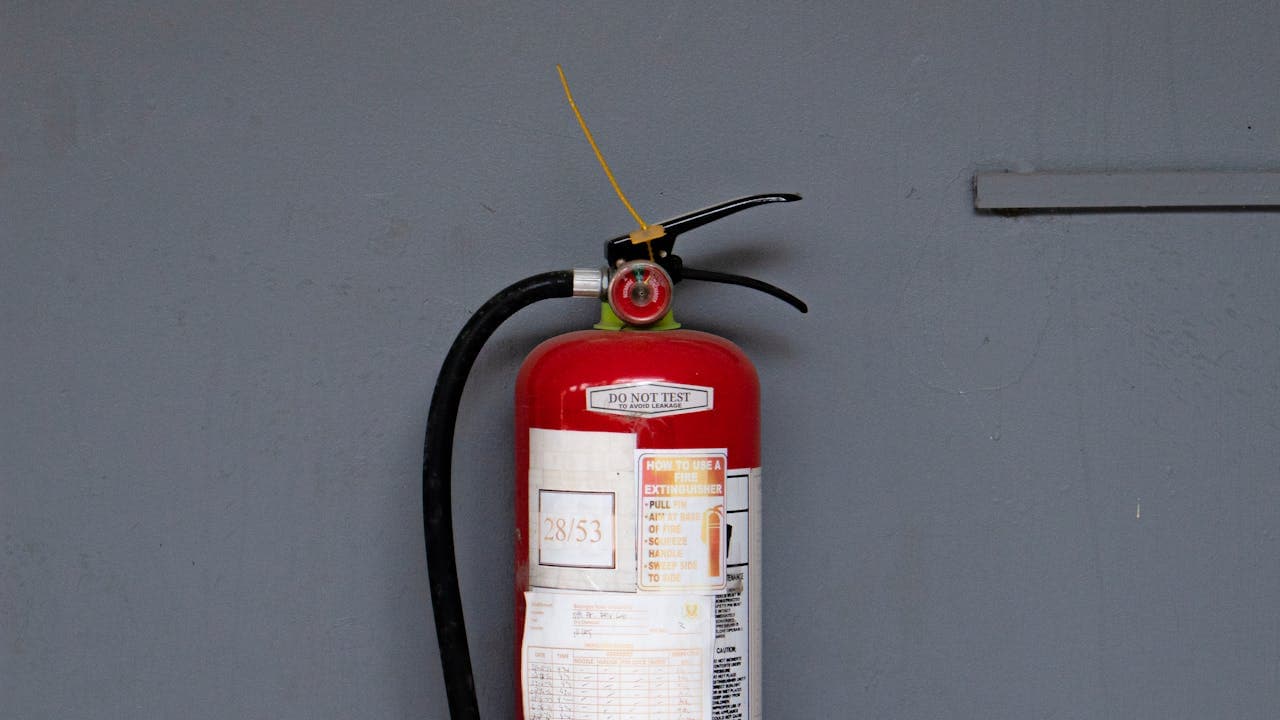
Proper labeling and thorough record-keeping are not only legal requirements—they are critical for fast, correct action during an emergency. Every extinguisher should display its fire class, fill date, last maintenance date, manufacturer information, and periodic inspection tags.
Missing or incorrect labels will be flagged as non-compliance during inspections and may result in penalties. Clear labels also help teams quickly identify which extinguisher to grab in an emergency. Depending on risk profiles, labeling can be enhanced with color codes or large, bold text.
Documentation ensures traceability for every refill, maintenance, or relocation operation. Whether you use digital systems or manual logs, comprehensive records are invaluable for inspection preparation and help guarantee that servicing is performed on schedule and that equipment is always ready to use.
Routine Maintenance and Refilling: Frequency and Key Points
Routine maintenance is essential to ensure that fire extinguishers remain effective and compliant with legal standards. Typically, an annual inspection and refill (if needed) is recommended, but high-traffic or harsh environments may require more frequent checks.
During maintenance, pay attention to the following:
- Inspect the cylinder, hose, and nozzle for physical damage
- Check the fill amount, pressure levels, and internal condition
- Ensure the trigger and valve mechanisms are operational
- Confirm that labels are current and legible
After servicing, all actions should be recorded in detail and signed off by an authorized person. Only certified providers should perform refilling, using the correct agents and methods. Improper refilling can degrade performance and is a common cause of non-compliance during audits.
Common Mistakes and On-Site Challenges
One of the most frequent errors is placing extinguishers in the wrong locations—for example, positioning a foam extinguisher next to an electrical panel, or leaving a CO2 unit exposed outdoors. Such mistakes render extinguishers ineffective in emergencies. Another common issue is conducting only superficial maintenance, neglecting internal checks and refilling.
Outdated or missing labels, as well as inconsistent record-keeping, are additional problems often encountered, particularly when rushed just before an inspection. Inadequate training can also leave staff unsure about which extinguisher to use for a specific type of fire.
To avoid these pitfalls, establish standard operating procedures for equipment placement and maintenance, and provide regular training and drills. Use a comprehensive checklist before inspections to identify and correct any deficiencies.
Selection Criteria: Which Extinguisher For Which Environment?
Choosing the right extinguisher starts with a thorough analysis of fire risks in your facility. Compliance is important, but real-world needs should also guide your decisions. Consider these criteria when selecting extinguishers:
- Type of fire risk (fuel type and storage conditions)
- Presence of electrical, gas, or liquid fuel equipment
- Number of personnel and size of the area
- Environmental conditions such as temperature and humidity
- Portability and ease of access to the extinguisher
For instance, CO2 is preferred in electronics-heavy areas, foam is best for liquid fuel storage, and Class F extinguishers are essential for kitchens. In spaces with mixed risks, a combination of extinguisher types may be needed. Collaborate with your field team to conduct a risk assessment and plan equipment placement accordingly.
Conclusion
Selecting the correct fire extinguisher types and using them in the right areas, combined with diligent maintenance and record-keeping, ensures both legal compliance and real safety on-site. Digitally tracking these processes—using tools like Yangın Takip—can greatly simplify equipment and maintenance management.
Bring extinguisher and maintenance tracking into one place
Request a short demo for your company and see the system with your own data in a 14-day free trial.
Request a free demoFrequently Asked Questions
Which fire extinguisher should be used for each type of fire?
Generally, dry chemical or foam extinguishers are used for Class A fires, foam extinguishers for Class B, dry chemical for Class C, dedicated metal extinguishers for Class D, and kitchen-specific extinguishers for Class F. For electrical equipment, CO2 extinguishers are the preferred choice.
How often should fire extinguishers be serviced?
Routine maintenance and, if necessary, refilling are typically required once a year. In areas with heavy usage or challenging conditions, more frequent inspections are recommended to ensure readiness.
Why are labeling and record-keeping important for fire extinguishers?
Accurate labeling and documentation are vital for meeting legal requirements and for quickly identifying the right equipment during emergencies. Missing or incorrect information is considered a compliance issue during inspections.
Where should CO2 fire extinguishers not be used?
CO2 extinguishers should be used cautiously in enclosed or poorly ventilated spaces due to the risk of suffocation. Additionally, in outdoor areas, wind can disperse the gas and reduce its effectiveness.