How to Read a Fire Extinguisher Pressure Gauge: A Step-by-Step Guide
Learn how to properly read fire extinguisher pressure gauges, recognize common mistakes, and maintain accurate inspection records—all with practical steps for field teams and facility managers.
 Yangın Takip Ekibi
One of the most common issues during fire safety inspections in commercial facilities is misunderstanding or incorrectly reading the fire extinguisher pressure gauge. For field teams and safety managers, failing to read the gauge accurately, keeping incomplete records, or missing maintenance intervals are frequent pitfalls. These can increase internal safety risks and lead to significant problems during official inspections.
Reading a pressure gauge correctly gives you a clear picture of the extinguisher’s readiness, charge level, and whether it needs attention. Even a minor error during routine checks can cause the extinguisher to fail when most needed. Outdated or incomplete maintenance records and labels are also common non-compliance points in audits.
This guide breaks down, step by step, how to read a fire extinguisher pressure gauge, and offers practical advice on maintenance, labeling, and record-keeping.
The Basic Structure and Working Principle of Pressure Gauges
Mounted on most fire extinguishers, the pressure gauge is an analog dial that displays the internal pressure of the unit’s contents—whether gas or liquid. These dials are typically circular and feature colored zones to indicate critical thresholds. You’ll usually see green and red areas, and sometimes yellow; green means the extinguisher is ready to use, while red signals inadequate pressure.
The gauge needle moves in response to the internal pressure. If it’s in the green zone, the extinguisher is considered operational. If it’s in the red, the pressure is either too low (rendering it ineffective) or, less commonly, too high (posing a safety hazard). If the needle is fluctuating or not stable, there may be a sealing issue that requires service.
Each manufacturer may use slightly different gauge designs, and some show the working pressure in bar or psi as well. During inspection, always check that the gauge’s glass is intact—free from cracks, fogging, or dirt. Physical damage to the gauge can compromise accuracy and must not be overlooked.
Step-by-Step Process for Reading a Pressure Gauge
A systematic approach is key for accurate fire extinguisher gauge readings. Avoid quick glances—following these steps helps reduce errors:
- Visually inspect the gauge glass and dial for damage, fogging, or grime.
- Observe where the needle sits. Is it squarely within a color zone, or on the boundary?
- Compare the bar or psi reading on the gauge with the recommended range on the manufacturer’s label.
- Distinguish between low (red), normal (green), and high (red or yellow) pressure ranges. Both low and high readings indicate the need for intervention.
- Record the result clearly in your inspection log. If the reading is borderline, note this explicitly and plan to follow up.
These steps ensure fast and accurate checks. Especially during pre-audit sweeps, missing a single extinguisher can jeopardize your inspection outcome.
The Importance of Labeling and Record Keeping
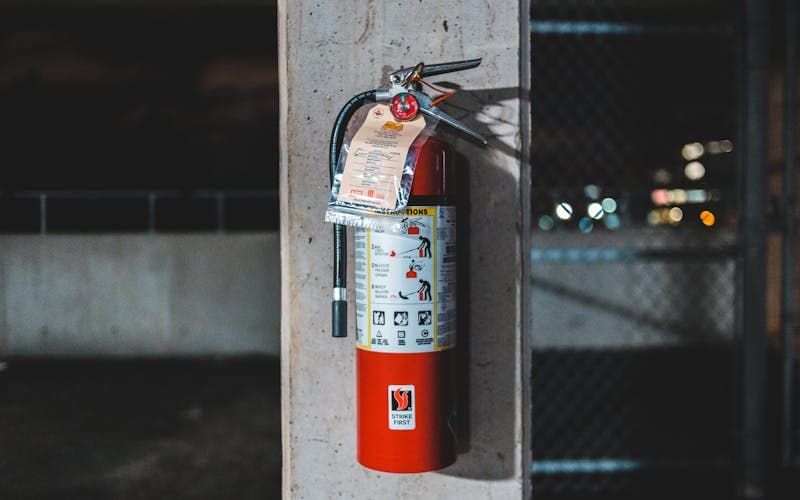
After reading the pressure gauge, it’s essential to document the check. Labels and logs are the most frequently requested documentation in both internal and official inspections. Labels, typically affixed to the extinguisher body, display the last and next maintenance dates, the service provider’s name, and the inspector’s signature.
The inspection log should detail the date of each check, the pressure gauge result (e.g., "green zone" or specific bar value), the inspector’s name, and any deficiencies found. This information must be readily available during audits.
Records can be digital or physical. Digital solutions make it easier to track past maintenance and generate reports, while physical logs are still often requested in official reviews—so keeping both up to date is wise. Missing, faded, or incorrect entries can quickly lead to non-compliance findings.
Service and Refill Intervals: When to Take Action
Service and refill intervals for fire extinguishers vary by type and environment, but annual maintenance is standard for portable units, with some settings requiring more frequent checks.
If the pressure gauge shows low or high pressure during a check, the extinguisher should immediately be taken out of service and sent for maintenance, with the event properly logged. If there’s no maintenance label or the date has expired, mark the unit as out of service and arrange for inspection. Periodic maintenance covers not just the pressure, but also hoses, valves, and the body of the extinguisher.
To avoid missing maintenance intervals, establish a tracking system within your organization. This should include which extinguisher was serviced when, the next service date, and details of any work done. Such systems make audit preparation far smoother.
Audit Preparation: Common Mistakes and How to Prevent Them
Checking the pressure gauge and reviewing records are standard parts of any fire safety audit. Field teams often make these common mistakes:
- Only conducting a visual check of the gauge, without recording values
- Marking borderline readings as "normal"—these units actually need monitoring
- Failing to replace damaged or illegible labels
- Inconsistencies between maintenance logs and extinguisher labels
Such mistakes can result in compliance issues and damage your organization’s reputation. Solutions include using a standardized checklist for inspections, updating records immediately, and ensuring all labels are legible and current. Regular training for teams and clearly assigned responsibilities are also key.
Practical Checklist: Steps for Pressure Gauge and Extinguisher Checks
A simple checklist streamlines each inspection and supports consistency. Here’s a practical guide for fire extinguisher pressure gauge and overall checks:
- Inspect the extinguisher’s body, valve, and hose for any damage or deformation
- Ensure the pressure gauge glass is clean and intact
- Check where the gauge needle falls: green, red, or yellow zone
- Confirm the maintenance label is up to date
- Verify the last and next maintenance dates are clearly written
- Log the inspection date and result in the record book
- Make sure the extinguisher is accessible and visible
This checklist makes field team tasks easier and allows for quick, thorough audits.
Decision Criteria: When to Act, Monitor, or Maintain Routine Checks
Gauge readings lead to three possible decisions: the extinguisher is ready, should be monitored, or needs immediate attention. Consider these points:
- If the needle is in the green zone and all other checks are clear, the unit is ready for use
- If the needle is borderline or near the green-red boundary, flag it for monitoring and recheck soon
- If the needle is in the red, send the unit for service and document the action
- If there’s physical damage, missing labels, or record inconsistencies, mark the extinguisher as out of service
Explaining the rationale behind each decision to your team, rather than relying on shortcuts, helps maintain a sustainable process.
Frequent Mistakes: Causes and Prevention
The most common mistakes are misreading the gauge, incomplete logs, using outdated labels, and missing maintenance cycles. Underlying causes include heavy workloads, time pressures, and inconsistent procedures.
Prevent these errors by sticking to a set inspection schedule, using digital or paper checklists, and logging results immediately. After each inspection, briefly review the process with your team to prevent repeat errors. Highlighting good practices keeps teams motivated and quality high.
Conclusion
Reading a fire extinguisher pressure gauge is one of the most basic yet critical steps in fire safety management. Accurate readings, thorough record-keeping, proper labeling, and timely maintenance reduce internal risks and ensure smooth audit outcomes. Yangın Takip simplifies digital management of customers, equipment, scheduled maintenance, and field operations for fire safety companies.
Related reading
- Yangın söndürücü dolum süresi ne zaman gelir? (TS ISO 11602-2) — https://yangintakip.com/en/blog/yangin-sondurucu-dolum-suresi-ts-iso-11602-2-rehberi
- Yangın Söndürücü Çeşitleri ve Kullanım Alanları Rehberi — https://yangintakip.com/en/blog/yangin-sondurucu-cesitleri-ve-kullanim-alanlari-rehberi
- Periodic Maintenance Software — https://yangintakip.com/en/cozumler/periyodik-bakim-yazilimi
Bring extinguisher and maintenance tracking into one place
Request a short demo for your company and see the system with your own data in a 14-day free trial.
Request a free demoFrequently Asked Questions
How often should fire extinguisher pressure gauges be checked?
Pressure gauges should be checked at least once per month and before any scheduled maintenance. Additional checks are advised after inspections or if extinguishers are relocated.
What should I do if the gauge needle is in the red zone?
If the needle points to red, remove the extinguisher from service immediately and arrange for professional maintenance. This indicates the unit is not safe or effective for use.
Will it cause problems during an inspection if the maintenance date on the label is faded?
A faded or illegible maintenance date is considered a non-compliance issue during audits. The label should be updated and made fully readable to avoid problems.
Are digital maintenance records sufficient for inspections?
Digital records are accepted in many audits, but physical logs or printouts are often still requested. It’s best to keep both formats current and accessible.