What Is a Dry Chemical Powder Fire Extinguisher and Where Should It Be Used?
Discover the structure, uses, maintenance steps, and inspection tips for dry chemical powder fire extinguishers. This guide covers practical insights on selection, upkeep, labeling, and compliance for effective workplace fire safety.
 Yangın Takip Ekibi
It’s common for businesses to spot a neglected fire extinguisher with a faded label tucked away beside a production line, in a warehouse aisle, or next to an electrical panel. For many, the question “what exactly is a dry chemical powder fire extinguisher?” still causes confusion, especially when preparing for inspections. Having the extinguisher on site isn’t enough; ensuring it’s the right type, properly maintained, and positioned correctly is essential for real safety and regulatory compliance. This article unpacks everything you need to know about these extinguishers, from their core structure to practical tips for maintenance and documentation.
What Is a Dry Chemical Powder Fire Extinguisher?
Dry chemical powder fire extinguishers are portable or fixed devices designed to suppress fires using a specialized powder discharged under pressure. The powder inside typically consists of chemicals like monoammonium phosphate or sodium bicarbonate, which work by interrupting the fire’s contact with oxygen and reducing the heat of burning materials.
These extinguishers are suitable for Class A (solid combustibles), Class B (flammable liquids), and Class C (flammable gases) fires. Their ability to handle electrical fires also makes them a versatile choice for many facilities. However, it’s crucial to remember that they are not universally suitable for every fire scenario, and selecting the right type for each environment is vital.
The main advantage of dry chemical powder extinguishers lies in their broad-spectrum application and rapid response capability. On the other hand, the powder residue can be abrasive or corrosive to sensitive equipment and surfaces, making them less ideal in areas with delicate electronics or where cleanliness is a priority. In such cases, post-discharge cleanup and equipment protection require careful consideration.
Where Are They Used? Key Decision Criteria
Dry chemical powder extinguishers are commonly installed in environments where multiple fire risks exist simultaneously. Typical applications include factories, workshops, logistics warehouses, fuel stations, and electrical panels. Nonetheless, they may not always be the best fit for every setting.
When determining which extinguisher type to use in a facility, consider the following factors:
- Type of combustible: If your workplace has a mix of solid, liquid, and gas fire risks, multipurpose dry powder types may be appropriate.
- Electrical hazards: These extinguishers are suitable for areas with electrical panels and machinery; yet, for zones with sensitive electronics, foam or CO2 alternatives might be preferable.
- Environmental impact: Powder dispersion complicates cleaning, so in food processing or cleanroom environments, the choice requires extra scrutiny.
- Compliance and risk assessment: Extinguisher type and capacity should align with local regulations and the facility’s documented risk analysis.
Understanding the specific fire risks and scenarios in each area of your facility is essential. Using the wrong type of extinguisher may lead to ineffective fire suppression or even increased property damage.
Periodic Maintenance and Refilling: Step-by-Step
Routine maintenance and refilling are mandatory to ensure dry chemical powder extinguishers remain reliable. Generally, annual inspections and a full powder replacement or hydrostatic testing every five years are recommended. However, these intervals can vary based on risk level and device usage.
A thorough maintenance process includes:
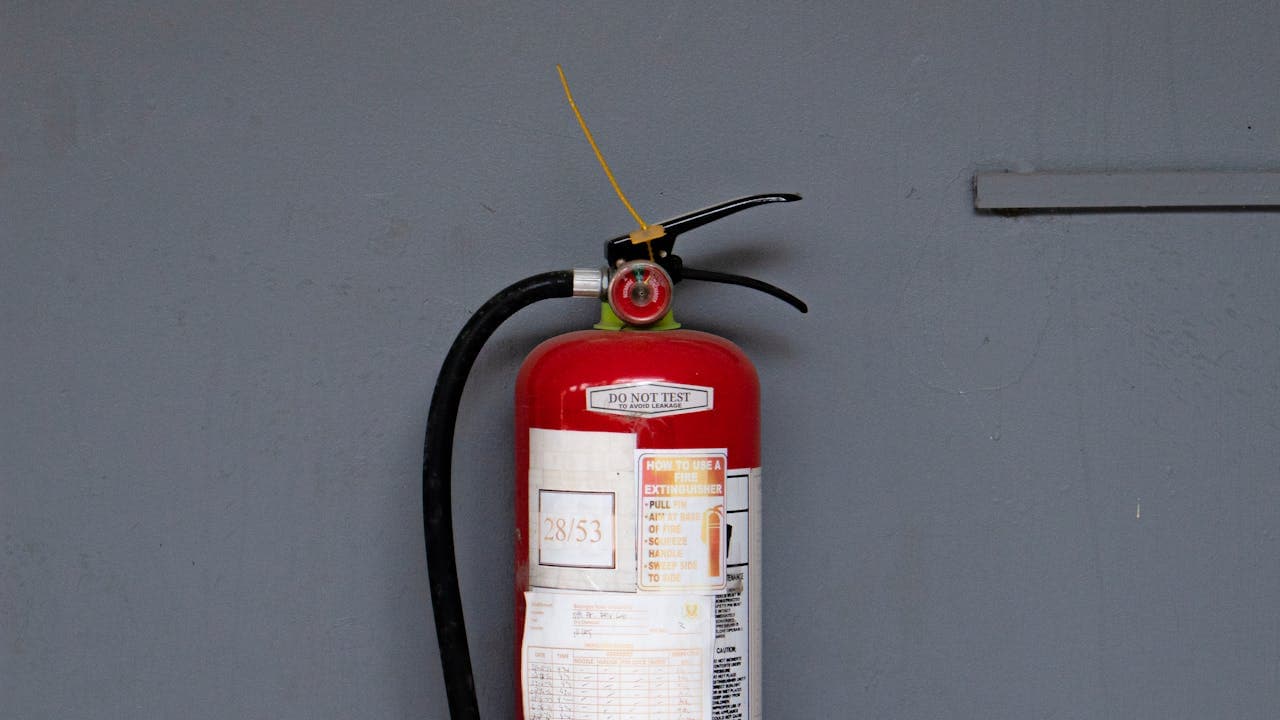
- Start by checking the exterior, label, tamper seal, and pressure gauge for clarity and integrity.
- Next, weigh the extinguisher to confirm it contains the correct amount of powder.
- Check pressure levels; if out of range, recharge or depressurize as needed.
- Test powder flow to ensure it’s free-flowing; replace the powder if caking is detected.
- Operate the hose, trigger, and valve mechanism to verify functionality and check for leaks or malfunctions.
- Finally, document all maintenance or refilling actions and reseal the extinguisher with an updated service tag.
Maintenance and refilling should only be performed by authorized service providers. Unofficial servicing not only violates regulations but also increases the risk of extinguisher failure during an emergency.
Labeling and Record-Keeping: Preparing for Inspection
Each dry chemical powder extinguisher must display clear information about its last service date, next scheduled maintenance, type, and capacity. Labels should be legible and always updated after servicing.
Effective record-keeping requires attention to the following:
- Log every maintenance, refill, and inspection event for each extinguisher.
- Assign a unique inventory number to every unit, and ensure physical and digital records match.
- Store records in an accessible manner for quick retrieval during inspections. Electronic record systems can streamline this process.
Incomplete or incorrect records can cause significant issues during audits. Additionally, a device’s historical maintenance data offers valuable insight into its performance and lifespan, making diligent record-keeping an integral part of safety management—not just a formality.
Common Mistakes and Their Consequences
Frequent errors involving dry chemical powder extinguishers include improper placement, choosing the wrong type, and neglecting maintenance. Such mistakes lead to critical risks:
- Using an unsuitable extinguisher type results in poor fire suppression and increased danger.
- Skipping maintenance can cause pressure loss or powder caking, rendering the device ineffective.
- Failing to update labels and maintain accurate records exposes the facility to compliance penalties and undermines safety assurance.
Most seriously, unauthorized servicing or refilling can compromise the extinguisher’s reliability, especially if non-standard materials are used. These oversights can have severe consequences for workplace safety and operational continuity.
Placement and Accessibility: Practical Checklist
For dry chemical powder extinguishers to be effective, they must be properly located and easily accessible. Use the following checklist when positioning devices:
- Position extinguishers within approximately 25 meters of identified fire risks.
- Mount units at a visible and reachable height, typically around 1 to 1.5 meters from the floor.
- Never obstruct an extinguisher’s access; mark with clear signage.
- Plan placement so staff can quickly reach and operate the device in case of fire.
Routine checks should verify the device’s presence, unobstructed access, and secure mounting. Poor placement can nullify the extinguisher’s usefulness, even if it’s fully functional.
Using a Dry Chemical Powder Extinguisher During a Fire: Steps and Tips
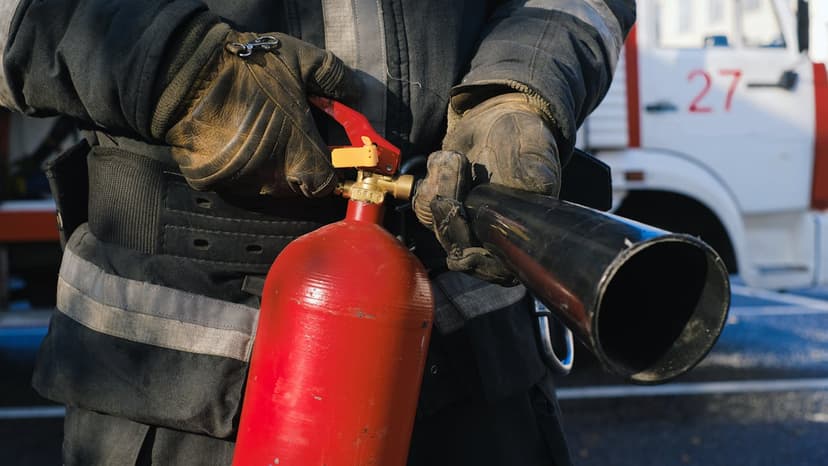
Effective use of a dry chemical powder extinguisher in an emergency requires quick, correct action. Follow these steps:
- Pull the safety pin and prepare the trigger mechanism.
- Aim the hose at the base of the flames and discharge short bursts of powder.
- Use the entire contents if necessary, continuing until the fire is out.
Always stand upwind to avoid powder blowback and approach the fire as closely as safely possible. After extinguishing, ventilate the area and take measures to minimize powder spread. Once used, the extinguisher should be promptly serviced and refilled, and the event documented.
Promoting Awareness and Training in the Workplace
The effectiveness of dry chemical powder extinguishers depends not only on their presence but also on staff knowledge and readiness. Regular training ensures employees can recognize fire risks, operate extinguishers correctly, and respond quickly when needed.
Training should incorporate:
- Device structure and which fire types it addresses.
- Step-by-step usage instructions, including hands-on drills.
- Locations of extinguishers, evacuation routes, and communication protocols for emergencies.
Without adequate training, staff might misuse extinguishers or panic during an incident. Annual fire drills and routine briefings help maintain a culture of safety and preparedness in the workplace.
Conclusion
Dry chemical powder fire extinguishers are indispensable for many businesses due to their versatility and effectiveness. However, only through proper selection, regular maintenance, thorough documentation, and ongoing staff education can these devices deliver true safety when it matters most. Yangın Takip enables fire safety companies to efficiently organize customer, equipment, maintenance, and field operations in a single platform.
Related reading
- Yangın söndürücü dolum süresi ne zaman gelir? (TS ISO 11602-2) — https://yangintakip.com/en/blog/yangin-sondurucu-dolum-suresi-ts-iso-11602-2-rehberi
- Yangın Söndürücü Çeşitleri ve Kullanım Alanları Rehberi — https://yangintakip.com/en/blog/yangin-sondurucu-cesitleri-ve-kullanim-alanlari-rehberi
- Periodic Maintenance Software — https://yangintakip.com/en/cozumler/periyodik-bakim-yazilimi
Bring extinguisher and maintenance tracking into one place
Request a short demo for your company and see the system with your own data in a 14-day free trial.
Request a free demoFrequently Asked Questions
For which types of fires can dry chemical powder extinguishers be used?
They are suitable for Class A (solid), Class B (liquid), and Class C (gas) fires. These extinguishers can also be used on electrical fires, but caution is advised in areas with sensitive electronics due to possible residue and equipment damage.
How often should dry chemical powder fire extinguishers be serviced?
Typically, an annual inspection is recommended, with a full powder replacement or testing about every five years. However, actual intervals will depend on the specific risk environment and how frequently the device is used.
Why is proper labeling important for dry chemical powder extinguishers?
Labels indicate the dates of maintenance and refilling, as well as the type and capacity of the device. Faded or missing labels can lead to issues during inspections and make it difficult to verify the extinguisher’s readiness.