Where Should Foam Fire Extinguishers Be Used? Application Areas and Maintenance Guide
Wondering where foam fire extinguishers are most effective, which hazards they address, and how their upkeep should be managed? This guide offers practical, scenario-based advice for selecting, positioning, and maintaining foam extinguishers on-site.
 Yangın Takip Ekibi
Selecting the right type of fire extinguisher for a facility can often be confusing, especially when it comes to matching the device to the risk profile of the area. The question of where foam fire extinguishers should be used depends both on the types of fire hazards present and the specific environment. Making the wrong choice can lead to ineffective fire response and increased risk, particularly for safety teams and facility managers.
One common misconception in the field is that foam extinguishers are suitable for any situation. In reality, they are highly effective only when used in the correct locations and under proper conditions. Using them in the wrong context can delay response and even create new hazards. Understanding where foam fire extinguishers are appropriate—and managing their maintenance and labeling—is therefore crucial for fire safety.
Where Are Foam Fire Extinguishers Most Applicable?
Foam fire extinguishers are primarily designed for use in areas where flammable liquids are present. Their action involves both physically covering the fire and cutting off its oxygen supply, often resulting in rapid containment. Typical environments include fuel storage sites, paint manufacturing plants, chemical processing facilities, and workshops handling lubricants.
- At fuel transfer and storage points, foam extinguishers are placed as a first line of defense against liquid spills.
- Storage rooms for paints, thinners, and other solvents require foam units for effective coverage.
- Warehouses stocking chemicals are often inspected for easy access to foam extinguishers.
- Automotive repair shops and industrial lubricant storage areas also favor foam types for their specific fire risks.
Compared to dry chemical extinguishers, foam units are especially valued for their ability to prevent re-ignition in liquid fires. However, they should not be used where electrical equipment is present, since foam conducts electricity and can exacerbate electrical hazards. When deciding placement, always consider the local fire risk classification and existing equipment.
Placement and Labeling: How to Position Foam Extinguishers Correctly
Proper positioning of foam fire extinguishers is vital for rapid fire response. In any space where flammable liquids are stored or processed, these devices should be clearly visible and unobstructed. A frequent error is to tuck extinguishers behind storage racks or in hard-to-reach corners, which can delay emergency actions.
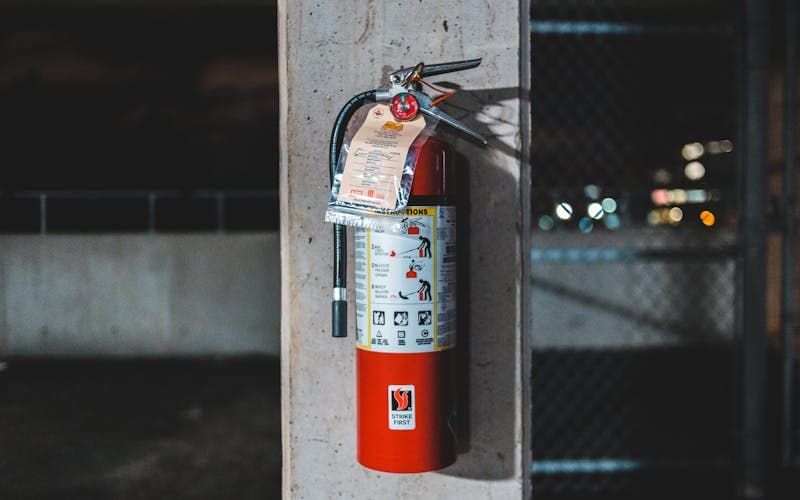
Labeling is equally important. Each foam extinguisher must clearly state the fire classes it is intended for—typically, a visible note indicating suitability for Class B fires and readable usage instructions. Labels should also show the fill date, last maintenance, and next inspection date. Inspectors routinely check that this information is current.
- Extinguishers should be wall-mounted or placed at eye level where possible.
- Access paths must remain clear; never allow materials or equipment to block the unit.
- Any faded or illegible labels should be replaced without delay.
Routine checklists are essential for ensuring correct placement and labeling. Teams should carry out regular audits to catch and fix any compliance issues before they become problems during inspections.
Key Criteria for Selecting a Foam Fire Extinguisher
Choosing the right foam extinguisher is about more than just picking a size or considering cost. A thorough risk assessment of the area and its existing fire safety infrastructure should come first. For example, in mixed-risk spaces containing both liquids and electronics, it’s wise to have both foam and dry chemical extinguishers available.
- Size of the area: Large warehouses may require multiple units, located to cover all possible hazards efficiently.
- Amount of flammable liquid: Where high volumes are stored, larger or backpack-style foam extinguishers may be necessary.
- Environmental factors: Extreme heat or cold can impact foam performance; always check the operational temperature range of the device.
A common mistake is underestimating the needed capacity. Insufficient extinguisher size can lead to ineffective fire suppression. Also, foam concentration quality can vary, so real-world performance tests are recommended to confirm effectiveness before standardizing on a product.
Routine Maintenance and Refilling of Foam Extinguishers
Foam fire extinguishers require regular maintenance and timely refilling. While annual service is standard, more frequent inspections may be needed in high-risk or harsh environments. One of the most overlooked issues is deterioration of the foam concentrate over time.
- During each service, check the external casing, hose, trigger, and gauge for any signs of damage or malfunction.
- Replace the foam concentrate with the correct specification if needed; using the wrong type reduces effectiveness.
- Both interior and exterior cleaning should be performed, and pressure testing may be necessary.
Meticulous records must be kept for all maintenance and refilling activities. Full documentation is expected during audits, and missing records can result in the unit being declared “unusable,” exposing the business to both health and legal risks.
Preparing for Inspection: Common Mistakes with Foam Extinguishers
The most frequent issue found during inspections is improper placement of foam extinguishers, such as locating them where there is little or no liquid fire risk. This not only wastes resources, but can also result in the wrong extinguisher being used during an emergency. Other common problems include missing labels or incomplete maintenance records.
- Foam extinguishers in the wrong location will be flagged as non-compliant during audits.
- Lack of labeling makes it unclear which fire types the unit should be used against.
- Incomplete service records directly impact audit scores and compliance status.
Before any inspection, check all foam extinguishers for correct location, up-to-date labeling, and full service histories. In large facilities, last-minute checks can easily overlook failures that might lead to significant penalties. To avoid this, implement a routine of internal audits and ongoing compliance monitoring.
Practical Tips to Avoid Common Errors
- Perform monthly checks to confirm all foam extinguishers are accessible and in their proper place.
- Replace any label that is faded or hard to read immediately.
- Only use authorized service providers for maintenance and refilling; avoid counterfeit foam or improper filling practices.
Following these steps minimizes the risk of issues during official inspections and strengthens the facility’s overall fire safety culture.
Managing Records and Tracking Foam Extinguishers On-Site
Keeping accurate records of foam extinguisher servicing and refilling is one of the most challenging aspects for field teams, especially in large facilities with dozens or hundreds of units. Manual logs are time-consuming and prone to errors, and missing documentation can create major compliance headaches.
Key points for effective record management include:
- Assigning a unique device code and location entry for every foam extinguisher.
- Logging all refilling, servicing, testing, and labeling activities by date.
- Promptly correcting any discovered mistakes or missing entries.
Up-to-date records ensure vital information—such as the device’s service life, refill schedule, and maintenance history—is always accessible. Digital record-keeping systems offer significant advantages over paper methods, but data security and regular backups must not be neglected. Any loss of records can make it difficult to explain compliance gaps during audits.
Technical Best Practices for Using Foam Extinguishers
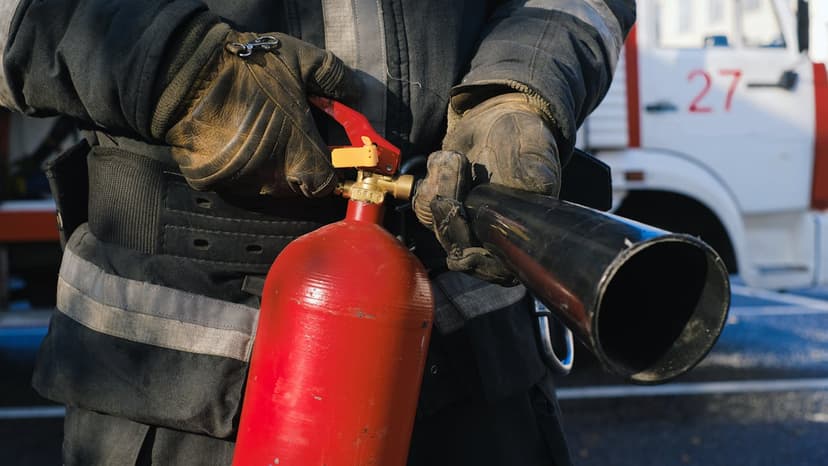
Effective use of foam fire extinguishers is critical for controlling fires before they can spread. User errors are a frequent cause of failed interventions. It is common for untrained staff to misuse the devices in the field.
- Aim the foam directly at the surface of the burning liquid, using a wide sweep and keeping the nozzle low.
- Spread the foam to cover the entire fire area, ensuring oxygen is fully cut off.
- Do not attempt to tackle fires beyond the effective range of the extinguisher; this can both endanger the operator and waste precious time.
Incorrect application increases the risk of the fire re-igniting. Never use foam on electrical equipment—choose a suitable extinguisher type for those scenarios.
Common Usage Mistakes with Foam Extinguishers and How to Fix Them
Misuse of foam fire extinguishers on-site is frequently due to lack of training. For instance, foam should be applied to the surface of a burning liquid, not directly onto the flames, and should be spread in a continuous, even layer—short bursts are less effective.
To address these issues, regular hands-on training is essential. Training should cover which fire classes are appropriate for foam extinguishers and clearly outline situations where they should not be used. Reinforce this knowledge with refresher courses for new staff and practical drills.
- Provide clear visual and written instructions to field teams to avoid mistakes.
- Clean and maintain extinguishers immediately after use.
- When errors are observed, analyze the causes and schedule retraining as needed.
Such preventative measures increase the effectiveness of foam extinguisher use and improve the chances of containing a fire successfully.
Conclusion
Knowing when and where to deploy foam fire extinguishers is a vital part of any facility’s fire safety plan. Appropriate placement, routine maintenance, and diligent record-keeping are key to both passing compliance checks and mounting an effective emergency response. With solutions like Yangın Takip, fire safety companies can streamline customer, device, maintenance, and field operations to ensure effective, centralized management.
Related reading
- Yangın söndürücü dolum süresi ne zaman gelir? (TS ISO 11602-2) — https://yangintakip.com/en/blog/yangin-sondurucu-dolum-suresi-ts-iso-11602-2-rehberi
- Yangın Söndürücü Çeşitleri ve Kullanım Alanları Rehberi — https://yangintakip.com/en/blog/yangin-sondurucu-cesitleri-ve-kullanim-alanlari-rehberi
- Periodic Maintenance Software — https://yangintakip.com/en/cozumler/periyodik-bakim-yazilimi
Bring extinguisher and maintenance tracking into one place
Request a short demo for your company and see the system with your own data in a 14-day free trial.
Request a free demoFrequently Asked Questions
Can foam fire extinguishers be used on electrical fires?
No, foam fire extinguishers should not be used in areas with live electrical equipment. Foam conducts electricity, which can create a shock hazard and potentially damage equipment.
How often should foam fire extinguishers be serviced?
Routine maintenance should be performed at least once a year, but high-risk or harsh environments may require more frequent checks. Always update refill and labeling information during these services.
For which fire classes are foam extinguishers effective?
Foam extinguishers are especially effective for Class B fires involving flammable liquids. They can also be used on Class A solid fires, but their primary strength is in liquid fire scenarios.
Why is record-keeping important for foam extinguishers?
Accurate records help track maintenance and refilling history, making it easier to spot lapses during inspections. Missing documentation can lead to compliance issues and unsafe practices in the field.