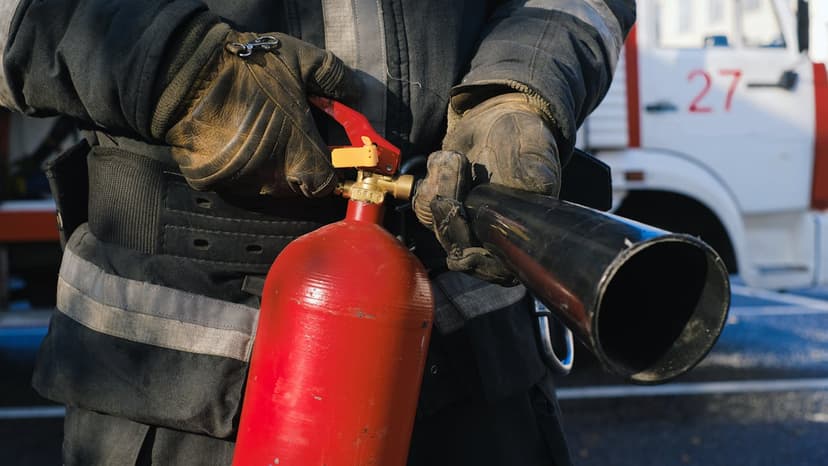
Legal Fire Safety Requirements for Businesses: A Practical Guide
This guide explores the essential legal fire safety obligations for businesses, with actionable advice on inspections, maintenance, documentation, and common mistakes that can lead to compliance issues or operational risks.
 Yangın Takip Ekibi
Fire safety requirements in businesses are often only recalled when an inspection is approaching. However, failing to comply with fire safety regulations can result not just in administrative fines, but also in operational disruptions and reputation damage. Among the most common issues are neglected maintenance of fire extinguishing equipment, incomplete recordkeeping, improper labeling, and missed periodic checks.
In many workplaces, fire safety responsibilities are divided between facility managers and contracted service providers, which sometimes leads to unclear roles and overlooked tasks. Below, you’ll find a comprehensive overview of legal fire safety obligations for businesses, along with practical steps for implementation.
Obligations for Regular Maintenance and Inspections
Fire extinguishers, hose reels, detection systems, and sprinklers all require regular inspection and maintenance, as mandated by law. These checks ensure that equipment remains functional and ready for emergencies; skipping them risks both legal penalties and operational safety.
Maintenance intervals for fire extinguishers are generally set according to manufacturer recommendations and relevant regulations, with annual servicing being common practice. However, the frequency may vary depending on risk classification, usage patterns, and environmental factors. Typical steps during a maintenance check include:
- Inspecting both the interior and exterior of each device, and checking pressure and fill levels.
- Testing mechanical parts such as hoses, triggers, and valves.
- Updating maintenance labels and service records.
- Ensuring equipment is accessible and properly mounted.
Importantly, only authorized and certified professionals should carry out these services. A frequent mistake is to treat maintenance as mere cleaning, overlooking technical checks. Another common issue is failing to document completed maintenance, which is a significant deficiency during audits.
Labeling and Recordkeeping Practices
After maintenance or inspection, it’s a legal requirement to document these actions through labeling and proper recordkeeping. Each fire safety device must display a label showing the date of the last service, the next scheduled maintenance, and the service provider’s information.
Recordkeeping often involves maintenance forms, equipment inventories, and scheduling charts. Maintaining digital records allows for easier tracking of past and upcoming services. Best practices include:
- Creating an individual maintenance form for each piece of equipment.
- Recording service dates and details of the work performed.
- Placing labels in clearly visible locations on the equipment.
- Archiving records both digitally and in hard copy.
If records are incomplete or outdated, inspectors may deem the business noncompliant. Faded or missing labels are also a widespread problem and can lead to confusion during checks.
Preparing for Inspections: On-Site and Documentation Review
One of the biggest challenges during official inspections is reconciling the physical presence and condition of safety equipment with the corresponding documentation. Inspectors assess whether devices are physically present, properly labeled, and matched to up-to-date records.
To prepare for inspections:
- Check that all equipment is in its designated location and easily accessible.
- Verify that maintenance labels and identification markings are intact and legible.
- Ensure the latest maintenance records and any corrective action reports are available.
- Keep fire safety plans and evacuation routes up to date.
A frequent error is listing equipment that isn’t actually on site, creating inconsistencies between paperwork and reality. Furthermore, simply presenting documents is not enough—equipment must also be operational and accessible.
Sharing and Tracking Responsibilities
In business environments, fire safety roles are often shared between the company and external service providers, but these arrangements are not always clearly defined. This ambiguity can cause gaps in maintenance, inspection, and documentation.
To clarify responsibilities:
- Clearly outline duties relating to maintenance, inspections, and recordkeeping in service agreements.
- Maintain regular communication between the facility manager and the service provider.
- Use periodic checklists to track ongoing tasks.
- Retain signed forms at the conclusion of each completed activity.
Unclear division of labor is especially problematic during emergencies or audits, as it can lead to disputes about accountability. Ultimately, if responsibilities are not specified, the business itself may be held liable for any shortcomings.
Fire Detection and Alarm Systems: Testing and Servicing
Installing a fire detection or alarm system is only the first step—regular testing and servicing are essential to ensure the system’s reliability. This includes the control panels, detectors, sirens, and manual call points.
The recommended testing process generally involves:
- Confirming that every detector is installed in its intended location and remains unobstructed.
- Using test devices to ensure detectors trigger alarms as designed.
- Reviewing control panels for error codes and logging any faults.
- Testing that sirens and flashers operate correctly.
A common error is to trust the panel’s “ready” status without conducting hands-on tests. Without physical verification, system failures may go unnoticed. Furthermore, neglecting to record test results can create problems if evidence is needed later.
Practical Checks for Fire Hose Reels and Sprinkler Systems
Fire hose reels and sprinkler systems are especially critical in larger workplaces. Regular checks should be made to verify hose length, clean and unobstructed nozzles, and the proper function of valves. For sprinkler systems, water pressure and valve positions must also be checked.
Key points for practical inspections include:
- Ensuring hoses are neatly coiled and ready for immediate use.
- Cleaning nozzles and heads to prevent blockages.
- Checking cabinets and valves for leaks, corrosion, or damage.
- Keeping the area in front of sprinkler heads clear of obstacles.
If water supply to sprinklers is shut off or hoses are not properly stored, emergency response can be delayed. Missing or damaged equipment in fire cabinets can also cause major issues during inspections or actual fires.
Emergency Plans and Staff Training
Regulations require every business to maintain a current emergency fire plan and ensure that employees receive basic fire safety training. These plans must clearly show evacuation routes, assembly points, and the locations of fire equipment.
It’s crucial to periodically update training and conduct drills so employees can practice using equipment. Effective procedures include:
- Posting the emergency plan in a prominent location for all to see.
- Providing fire safety training to every new employee during orientation.
- Holding at least one fire drill per year.
- Archiving records of all trainings and drills.
A common pitfall is preparing an emergency plan but leaving it forgotten in a file or treating training as a mere formality. In real emergencies, staff who have not practiced procedures are less likely to respond effectively.
Common Mistakes and Frequent Deficiencies in Inspections
The most widespread errors in business fire safety practices include skipping scheduled maintenance, keeping incomplete records, and failing to properly label equipment. Another recurring issue is limiting compliance to paperwork without ensuring procedures are actually followed on site.
Other frequent mistakes are:
- Equipment that is not operational or missing entirely.
- Completing maintenance or documentation only right before an inspection.
- Staff being unfamiliar with current emergency plans.
- Failing to verify the credentials and authorization of service providers.
Such shortcomings can result in administrative penalties and, in severe cases, temporary business closure. Both business managers and service providers must ensure that fire safety regulations are followed not just in documentation, but also in daily operations and on the ground.
Conclusion
Legal fire safety requirements are not just a matter of regulatory compliance for businesses—they are essential for business continuity and employee safety. Keeping maintenance, records, and training up to date will support your business both during inspections and in actual emergencies. Yangın Takip is a software solution that helps fire safety companies oversee customers, equipment, scheduled maintenance, and on-site operations, making it easier to manage these obligations in a transparent and organized way.
Related reading
- İşyerlerinde yangın tatbikatı zorunlu mu? Mevzuat ve periyot — https://yangintakip.com/en/blog/isyerlerinde-yangin-tatbikati-zorunlulugu-mevzuat-ve-periyot
- Binaların Yangından Korunması Hakkında Yönetmelik Nedir? — https://yangintakip.com/en/blog/binalarin-yangindan-korunmasi-hakkinda-yonetmelik-nedir
- Inspection & Reporting — https://yangintakip.com/en/cozumler/tetkik-ve-raporlama
Bring extinguisher and maintenance tracking into one place
Request a short demo for your company and see the system with your own data in a 14-day free trial.
Request a free demoFrequently Asked Questions
How often should fire extinguishers be serviced in businesses?
Fire extinguishers in businesses are typically serviced annually, but the exact interval may be shorter depending on environmental conditions or manufacturer recommendations. It’s important to consult both the manufacturer’s instructions and relevant regulations.
What is the proper way to keep fire safety records?
After each inspection or maintenance, a separate record should be created for each device, specifying the date, the service performed, and the responsible individual. Records should be stored in both electronic and printed formats for ease of reference and compliance.
What are the most common fire safety deficiencies found during inspections?
The most common deficiencies include missed maintenance intervals, incomplete or outdated records, and equipment that is unlabeled or incorrectly labeled. Inspectors also frequently encounter devices that are not present or are non-functional.