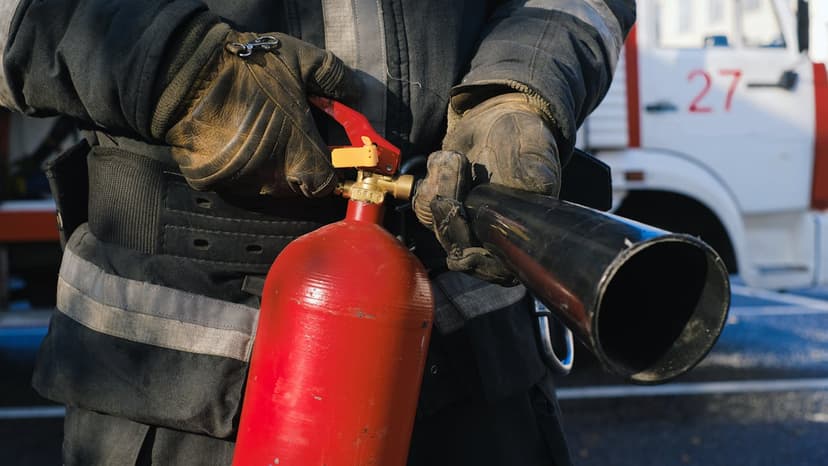
A Comprehensive Guide to Fire Safety Measures in Factories
This guide details step-by-step fire safety measures for factories, from practical checklists to maintenance intervals and documentation tips, ensuring compliance and workplace safety.
 Yangın Takip Ekibi
Fire risk is among the most critical challenges faced by every factory manager. Implementing robust fire safety measures in factories is not just a matter of regulatory compliance, but a fundamental necessity for operational continuity and the well-being of all personnel. A thorough approach to fire safety prevents common oversights and helps avoid unexpected issues during inspections.
In busy production facilities, fire safety often takes a back seat to daily workflow and productivity pressures. Temporary fixes or incomplete records can quickly become major liabilities during inspections or emergencies. In this article, we will explore actionable fire safety strategies for factory settings—covering everything from risk analysis and equipment maintenance to record-keeping and inspection readiness.
Fire Risk Assessment and Identifying Hazardous Areas
Effective fire prevention begins with accurately assessing the unique risks present in your facility. Without targeted risk analysis in areas like production lines, storage rooms, and utility spaces, safety measures are likely to fall short. Each section of a factory has distinctive hazards, influenced by the materials used, the type of machinery, and the specific production processes in place.
Start by pinpointing areas that are especially susceptible to fire. These typically include spaces that handle solvents, oils, dust, chemicals, or other flammable materials. Electrical panels, maintenance workshops, and storage zones should never be overlooked. The risk assessment process should also consider past incidents and staff observations. Areas left unsupervised during shift changes may introduce unexpected dangers.
- Update risk assessments whenever there is a change in production workflow.
- Assign both specific safety measures and responsible personnel for each identified risk.
- Document risk analysis results in writing, and review them regularly.
How to Classify Hazards
Hazard classification is based on several factors: the amount of flammable material present, accessibility, personnel density, and ease of evacuation. Each class of risk should have its own tailored set of precautions. This approach streamlines both internal safety audits and emergency planning.
Selecting and Positioning Fire Extinguishing Equipment
One of the most crucial aspects of factory fire safety is selecting the right extinguishing equipment and placing it in optimal locations. The type of extinguisher used in each area should correspond to the specific hazards present—foam extinguishers for flammable liquids, and dry chemical or CO2 extinguishers around electrical installations, for example.
Accessibility is key. Fire extinguishers hidden behind shelves, doors, or machinery cannot be used quickly in an emergency. Equipment must also be regularly inspected and properly labeled. Each device should clearly display its last maintenance and refill date.
- Every extinguisher and hose should have a visible label showing its maintenance or refill date.
- Fire hose cabinets and hydrants must be installed in open, highly visible locations with nothing obstructing access.
- Equipment types and locations should be mapped on the factory's layout plan.
Criteria for Choosing the Right Equipment
When selecting fire safety equipment, consider the fire class (A, B, C, D, F) most likely to occur in each area. Environmental factors such as temperature, humidity, and chemical exposure in the factory may affect equipment durability. When in doubt, consult an experienced fire safety professional.
Periodic Maintenance and Refill Tracking: The Importance of Accurate Records
The effectiveness of fire safety systems depends on routine maintenance and timely refills. In practice, tracking these intervals often gets lost among spreadsheets, notebooks, or scattered files. Skipping scheduled maintenance not only breaches compliance but also increases the risk of equipment failure during emergencies.
Maintenance, refill, and inspection dates for every device should be logged individually. Records must be maintained both by the service provider and within your own facility’s management system. During inspections, presenting complete and up-to-date maintenance logs is a significant advantage.
- If possible, track maintenance and refills digitally for easier management.
- Ensure that all labels are accurate and updated after each service.
- Archive records for at least the full length of the inspection cycle.
Key Considerations for Creating a Maintenance Plan
Maintenance intervals should be determined by device type and frequency of use. Plans should be updated whenever equipment malfunctions or requires early refilling. Keep records current if devices are relocated or decommissioned.
Labeling and Field Markings: Reliable and Lasting Applications
Labeling is one of the most frequently overlooked aspects of managing fire safety equipment, yet it is critical. Incorrect dates, faded writing, or missing information can cause problems during inspections and create confusion in emergencies. Labels and field markings should be legible, compliant with standards, and resistant to wear.
Using distinct colors and formats for different types of equipment (such as extinguishers, fire cabinets, emergency exits, and alarm buttons) speeds identification when every second counts. All labels should be updated immediately after maintenance or inspection. Outdated or missing labels are among the most common violations found during audits.
- Attach labels where they are easily visible on the device.
- Use color coding to quickly distinguish equipment types.
- Replace field markings promptly if they become faded or unclear.
Common Labeling Mistakes
Placing labels on the back or in hard-to-reach spots, using markers that fade easily, or confusing maintenance and refill dates are frequent errors. Such mistakes can lead to equipment being rejected during inspections.
Testing Fire Alarm and Warning Systems
Alarm and warning systems are the backbone of early fire detection in any factory. Their effectiveness relies not only on proper installation but also on regular testing and rapid repair of any faults. In practice, alarm systems are often neglected once installed, which leaves factories vulnerable.
Test whether alarms can be heard in all areas, check that warning lights are visible, and confirm that emergency announcements can be heard clearly. Tests should be conducted during different shifts and while production is running for realistic results. All test results must be documented, and any issues should be addressed immediately rather than postponed.
- Alarm buttons and indicators must be easily accessible.
- During tests, verify audibility in every area.
- Establish a rapid response plan for addressing detected faults.
Recording Test Results
Document the date of each test, the personnel involved, and any issues identified. These records demonstrate an active and managed safety system during inspections.
Staff Training and Organizing Fire Drills
Effective fire safety in factories is about more than just equipment and procedures. Staff must know how to act in an emergency and avoid making mistakes that could escalate the situation. In reality, staff training often gets reduced to theory, or is ignored altogether.
Each shift should have at least one person trained to use fire extinguishing equipment. Practical fire drills should be held regularly for all employees. Drills must go beyond simply sounding alarms; they should include realistic scenarios and demonstrate responses to different fire types.
- Keep records of drill outcomes and attendance.
- Provide fire safety training as part of onboarding for all new hires.
- Tailor training content and frequency to your facility’s risk profile.
Common Training Mistakes
Relying solely on theoretical instruction, skipping practical demonstrations, or repeating the same drill scenario each time weakens the effectiveness of training. When trained staff leave or change shifts, updates and refresher sessions are essential.
Emergency Plans, Escape Routes, and Assembly Points
During emergencies, panic, miscommunication, and poor decisions are among the biggest risks. Clearly marked escape routes and assembly points help staff act quickly and safely. However, escape routes are often misused for temporary storage, and markings may fade over time.
Escape routes and emergency exits must always be open and unobstructed. Assembly points should be well-marked and visible to all staff. Assign individuals responsible for emergency communication and clarify assembly procedures ahead of time. Display this information at key points throughout the facility.
- Never block escape doors or routes under any circumstances.
- Regularly inspect assembly point signage to ensure visibility.
- Keep the emergency communication plan up-to-date and documented.
Common Issues with Escape Routes
Leaving storage boxes or pallets in escape paths, keeping exit doors locked, and allowing signage to fade are some of the most frequent mistakes. These issues are often highlighted as critical nonconformities during audits.
Preparing for Inspections and Planning Facility Walkthroughs
Fire safety inspections provide an objective review of your facility’s safety measures. Scrambling for missing documents or facing outdated records on inspection day complicates the process. Preparation is much easier when regular internal checks and up-to-date records are maintained.
Schedule routine internal audits to identify and address shortcomings before official inspections. Before any audit, review all maintenance, refill, training, and drill records. Update any missing or outdated information, and verify that all equipment is present and accessible in the facility.
- Create an inspection checklist and assign responsible staff for each item.
- Store all records in an easily accessible file or digital system.
- Launch corrective actions for any deficiencies identified after inspections.
Why Are Internal Audits Important?
Routine internal audits prevent surprises during external inspections and foster a culture of fire safety among staff.
Conclusion
Fire safety in factories is not just about placing equipment—it depends on ongoing record-keeping, maintenance, training, and regular checks. For streamlined management of all these processes, using a software solution like Yangın Takip—designed for tracking customers, devices, periodic maintenance, and on-site operations—can greatly enhance operational efficiency.
Related reading
- Otellerde Yangın Güvenliği: Gereklilikler ve Denetim Hazırlığı — https://yangintakip.com/en/blog/otelde-yangin-guvenligi-gereklilikleri-denetim-hazirligi
- AVM'lerde Yangın Güvenliği Yönetimi Nasıl Kurgulanır? — https://yangintakip.com/en/blog/avm-yangin-guvenligi-yonetimi-nasil-kurgulanir
- Fire Safety Tracking Software — https://yangintakip.com/en/cozumler/yangin-guvenligi-takip-programi
Bring extinguisher and maintenance tracking into one place
Request a short demo for your company and see the system with your own data in a 14-day free trial.
Request a free demoFrequently Asked Questions
How often should fire extinguishers in a factory be serviced?
The recommended service interval for fire extinguishers generally depends on the type of device and how frequently it is used. In most cases, annual servicing is advised, but more frequent checks may be needed in high-risk or heavily used areas.
What is involved in testing a fire alarm system in a factory?
Testing a fire alarm system means checking the functionality of all buttons and sensors. The process should ensure the alarm is audible in all areas and that warning lights are visible throughout the facility.
Why is proper labeling of fire safety equipment so important during inspections?
Labeling allows for accurate tracking of maintenance and refill history, confirming if equipment is current and compliant. Missing or outdated labels can result in the equipment being rejected during audits.
What is the most common mistake regarding emergency exit routes?
Blocking exit routes with storage materials or letting signage fade are among the most frequent errors. Such issues can hinder evacuation during emergencies and are often cited as noncompliances in inspections.