CO2 Fire Extinguisher Use: Benefits, Risks and Best Practices
This guide explores the practical aspects of CO2 fire extinguisher use, including their benefits, limitations, maintenance, and common on-site mistakes. Essential insights for field teams and facility managers.
 Yangın Takip Ekibi
In fire safety planning for any facility, one of the most common challenges is choosing the right type of fire extinguisher. CO2 fire extinguishers are often recommended for electrical fires, but their real-world application, maintenance, and associated risks are frequently more complicated than theoretical guidelines suggest. Facility managers and field teams can face significant penalties when inspections uncover improper or incomplete procedures. In this guide, we’ll focus on the practical benefits and risks of CO2 extinguishers, along with common issues in refilling, maintenance, labeling, and record-keeping—and how to address them effectively.
Key Advantages and Applications of CO2 Fire Extinguishers
CO2 extinguishers are favored for environments where water or dry chemicals could cause damage, such as electrical panels, server rooms, or machinery spaces. The primary reason is CO2’s ability to smother fires without leaving any residue, making it invaluable for protecting sensitive electronics. Under certain conditions, CO2 can also be used for liquid and gas fires; however, it may not be suitable for oily surfaces or specific chemicals.
Among its benefits, CO2 leaves no mess after discharge and enables rapid response, which is crucial in time-sensitive situations. Its portability allows users to quickly relocate the extinguisher as needed. However, these advantages can only be realized if the extinguisher is properly selected and maintained. It’s important to remember that CO2 extinguishers are pressurized vessels; neglecting routine checks can lead to significant safety hazards.
Selecting the right CO2 extinguisher for your facility means considering the size of the protected area, the potential fire load, and the sensitivity of equipment. Choosing the wrong capacity or type can reduce effectiveness and result in compliance issues. Developing an extinguisher inventory that reflects your fire risk assessment will simplify both inspections and emergency responses.
Step-by-Step Guide to Using a CO2 Fire Extinguisher Safely
Incorrect usage of CO2 extinguishers can compromise both fire suppression and user safety. The following steps outline the correct approach:
- Before approaching, assess the fire’s type and rate of spread. Use CO2 only if you are certain it’s an electrical or machinery-related fire.
- Position yourself so that the wind or smoke is at your back, not blowing toward you.
- Pull the safety pin and direct the discharge horn at the base of the fire, sweeping side to side in short bursts.
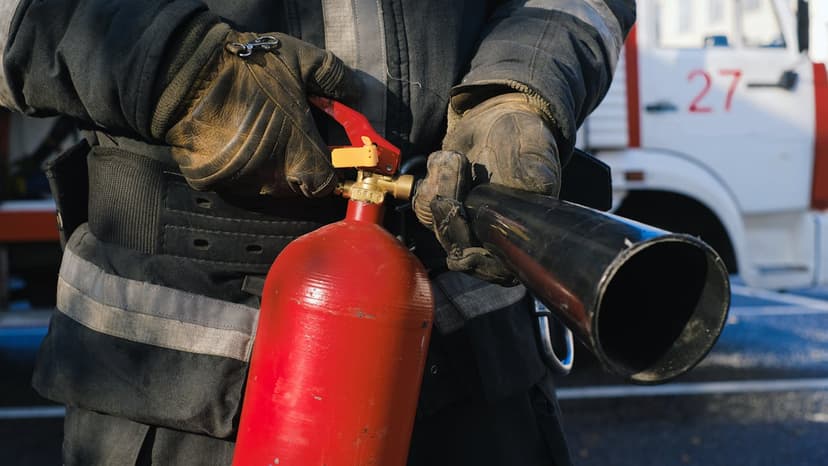
- Never touch the discharge horn or hose directly with bare hands—CO2 release can cause severe freezing injuries.
- Continue suppression until the fire is completely out, then ventilate the area thoroughly. Because CO2 displaces oxygen, remaining in an enclosed space can be hazardous.
Carrying out these steps calmly and in line with training is crucial. In large or crowded spaces, coordinated response with multiple extinguishers is often more effective. Also, since CO2 units have a limited discharge time, swift and targeted action is essential.
Recharging and Maintenance Intervals: Field Realities of CO2 Extinguishers
CO2 extinguishers must be serviced and refilled at regular intervals to stay effective. A common mistake is performing these checks only before scheduled inspections. Consistent maintenance not only extends equipment life but also reduces the risk of malfunction during emergencies.
The fill level is usually monitored by weighing the cylinder, as minor leaks can occur over time. If a weight discrepancy is detected, the unit should be refilled by an authorized service provider. Mechanical components like valves, hoses, and horns also need to be inspected during every maintenance cycle. Cracked hoses or deformed discharge horns can prevent the extinguisher from working when needed.
Maintenance intervals depend on the risk profile of the facility, density of equipment, and usage frequency. Nevertheless, most standards and regulations require at least one comprehensive service annually. Keeping maintenance and refill dates clearly marked on the extinguisher not only helps with compliance but also aids responsible staff in their duties.
Labeling and Record-Keeping: Building an Inspection-Ready Inventory
Proper labeling and systematic record-keeping for CO2 extinguishers are often overlooked by field teams and facility supervisors. Each label should clearly state the extinguisher type, last refill date, next scheduled maintenance, and any work performed. Incomplete or incorrect labels are a frequent cause of inspection failures and can result in penalties.
Accurate records are essential not only for inspection day but also for monitoring actual equipment performance. Logging every refill, maintenance activity, and defect ensures longer service life and reliability. Complete records are especially valuable if equipment fails or in the event of a fire, when thorough post-incident reporting is necessary.
For a practical approach, digital tracking systems or simple checklists may be used. Regardless of the method, a designated team member should be responsible for keeping records up to date and secure. In large facilities, periodic internal audits are recommended to maintain an accurate inventory.
Deciding If CO2 Is the Right Choice: What to Consider
Not all fire extinguishers are safe or effective in every environment. When considering CO2 extinguishers, analyze the physical conditions and risks of the intended location. For instance, using CO2 in an unventilated room can rapidly reduce oxygen levels, posing a hazard to anyone present. Since CO2 is colorless and odorless, leaks or misuse may go unnoticed until symptoms appear.
CO2 is not always suitable in areas containing certain chemicals. For example, some flammable liquids or metals can react with or resist CO2, potentially spreading the fire. Conducting a fire risk assessment and developing a clear plan for which extinguishers to use in each area is essential.
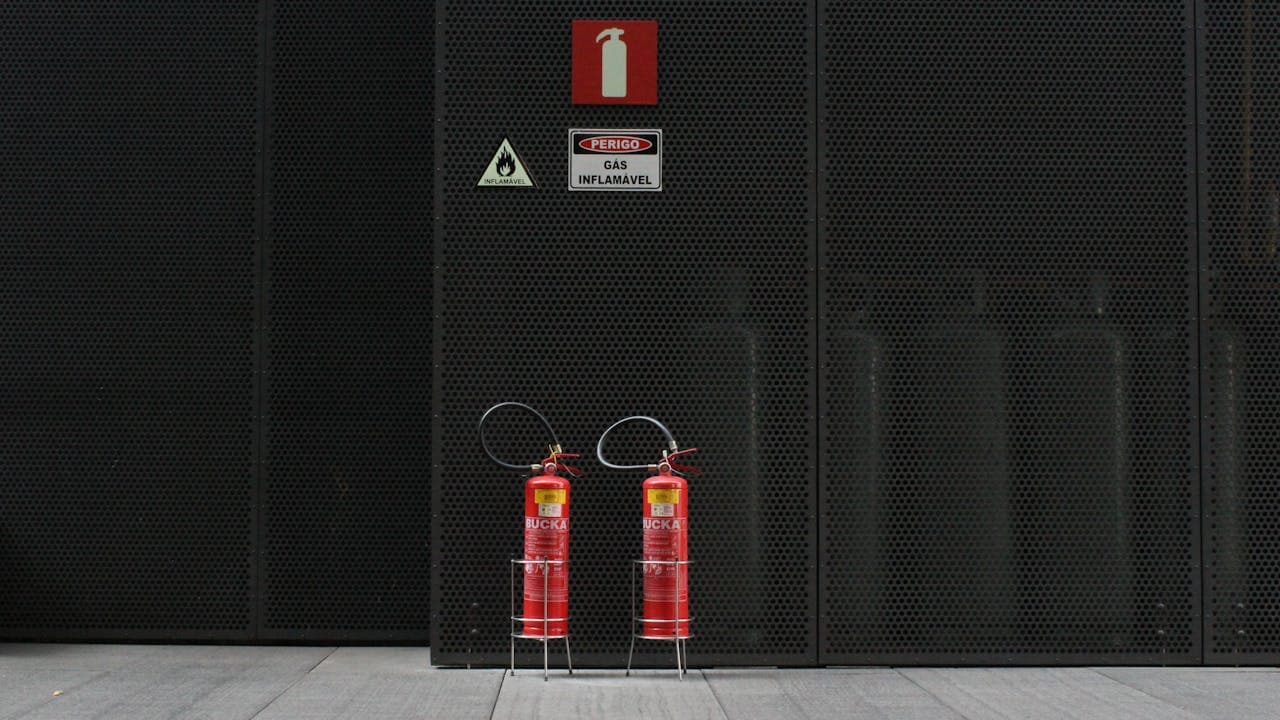
Finally, extinguisher capacity should match the anticipated fire load, and each unit must be easily accessible. Consistency in selection, placement, and maintenance is the key to effective fire protection.
Common Field Mistakes and How to Prevent Them
One of the most frequent errors when using CO2 extinguishers is touching the discharge horn or nozzle with bare hands. The rapid cooling during discharge can cause frostbite. Another common mistake is aiming at the flames instead of the base of the fire, which reduces suppression effectiveness. Even though this is emphasized during training, it’s often forgotten in emergencies.
Obstructing access to extinguishers with materials or equipment is another issue often found during inspections. Delays in reaching the extinguisher can have serious consequences. Using devices with outdated or missing maintenance tags is also risky, as the extinguisher may not function properly when needed.
To avoid these pitfalls, conduct regular drills, organize staff awareness sessions, and perform routine internal checks. Every team member should know how to use the device correctly, where it is located, and its maintenance status. Written procedures accessible to all staff help ensure consistent application.
Preparing for Inspections: The CO2 Extinguisher Checklist
It’s common for issues with CO2 extinguishers to be discovered just before an inspection. Use the following checklist regularly to stay prepared:
- Are all extinguisher labels legible and up to date?
- Are refill and maintenance dates current and documented?
- Are the safety seal and pin intact?
- Are the hose and horn free from cracks or deformation?
- Is each extinguisher easily accessible and unobstructed?
- Are all service records complete and available, whether on paper or digitally?
- Do staff know the instructions and procedures for use?
These checks are essential for smooth inspections and emergency readiness. Assigning responsibility and setting a follow-up schedule will help resolve any issues quickly after inspections.
Safety Hazards of CO2 Extinguishers and Protective Measures
Improper use of CO2 extinguishers can pose significant health and safety risks. When used in confined spaces, CO2 can rapidly deplete oxygen and cause suffocation. Always ventilate the area immediately after use and ensure all personnel leave the space until it is safe.
Handling the discharge horn or hose with bare hands can cause frostbite, due to the extreme cold produced during discharge. Use protective gloves if available, or hold the extinguisher by the handle. Remember that CO2 units are high-pressure vessels; dropping or mishandling them can potentially lead to rupture.
Each facility should have written safety instructions for CO2 extinguisher use, and these should be reviewed with staff regularly. Usage areas and risks should also be documented for emergency response teams, so they are aware of potential hazards during incidents.
Conclusion
To fully benefit from CO2 fire extinguishers, it is not enough to simply select the right device. Ongoing attention to maintenance, labeling, record-keeping, and field practices is essential. Yangın Takip supports operational efficiency by providing a comprehensive platform for fire safety firms to manage clients, equipment, scheduled maintenance, and field activities all in one place.
Related reading
- Yangın söndürücü dolum süresi ne zaman gelir? (TS ISO 11602-2) — https://yangintakip.com/en/blog/yangin-sondurucu-dolum-suresi-ts-iso-11602-2-rehberi
- Yangın Söndürücü Çeşitleri ve Kullanım Alanları Rehberi — https://yangintakip.com/en/blog/yangin-sondurucu-cesitleri-ve-kullanim-alanlari-rehberi
- Periodic Maintenance Software — https://yangintakip.com/en/cozumler/periyodik-bakim-yazilimi
Bring extinguisher and maintenance tracking into one place
Request a short demo for your company and see the system with your own data in a 14-day free trial.
Request a free demoFrequently Asked Questions
When should CO2 fire extinguishers not be used?
CO2 extinguishers are not effective on metal, chemical, or certain liquid fires; for example, they should not be used on oil fires or reactive substances. Additionally, using them in poorly ventilated or confined spaces is hazardous due to the risk of oxygen depletion.
How often should CO2 fire extinguishers be serviced?
A comprehensive service is generally recommended at least once per year, though the frequency can vary based on how often the extinguisher is used and the environment it is in. Regular checks for fullness and mechanical parts should also be carried out.
What precautions should be taken when using a CO2 fire extinguisher?
Do not touch the discharge horn with bare hands, ensure the area is well-ventilated, and approach the fire with the smoke at your back. Direct the discharge at the base of the fire in short, controlled bursts.
What information should be on a CO2 extinguisher’s label?
Labels should include the extinguisher type, last refill date, next maintenance date, and details of any work performed. Missing or illegible labels can cause problems during inspections.