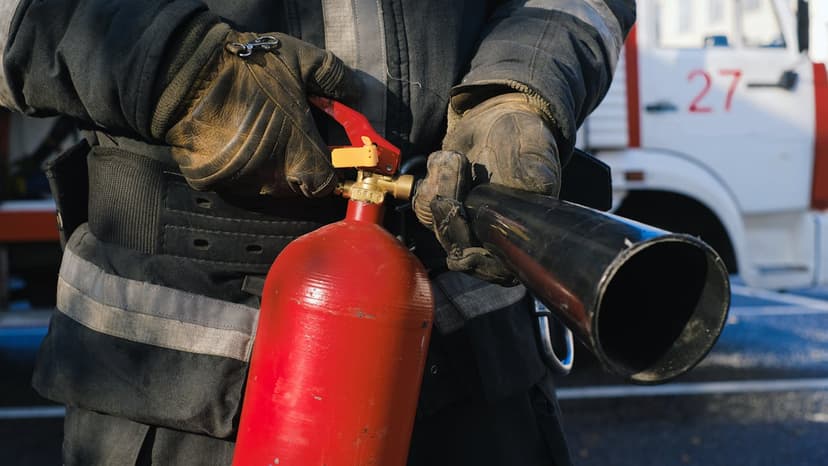
How to Structure Fire Safety Management in Shopping Malls
A comprehensive step-by-step guide for shopping mall fire safety management, covering maintenance cycles, equipment inventory, record keeping, and inspection preparation with practical strategies and common pitfalls.
 Yangın Takip Ekibi
Managing fire safety in shopping malls is a complex and ongoing responsibility, especially in environments where commercial activity and large numbers of people converge every day. Facility managers and on-site teams are tasked not only with ensuring the presence of fire safety equipment, but also with maintaining operational discipline through regular maintenance, systematic record-keeping, and readiness for audits. In practice, issues like missing labels, misplaced cabinets, or outdated maintenance records are all too common on inspection day, posing not just regulatory risks but real threats to life and property.
Core Components of Fire Safety Management
Effective fire safety management in a shopping mall consists of several interdependent components. The first is ensuring that all necessary equipment and systems—such as fire hose cabinets, extinguishers, sprinklers, and detection systems—are present and in working order. However, simply installing these devices is not enough. Each item must be tied to clear procedures for maintenance, refilling, testing, and documentation. Another core aspect is making sure all staff and maintenance teams are trained to recognize and use these systems correctly. Lastly, transparent and traceable record keeping is critical for both accountability during audits and for clarity in the event of an incident.
To build a robust fire safety management framework in a shopping mall, focus on these key areas:
- Compiling a comprehensive equipment and system inventory
- Tracking maintenance and refill intervals
- Establishing a labeling and record-keeping system
- Planning staff training and emergency drills
- Preparing for audits and reporting requirements
Each of these areas can be a source of challenges or mistakes if not managed systematically. Below, you’ll find actionable approaches and common pitfalls for every step, along with guidance on how to avoid them.
Compiling a Complete Equipment Inventory
The first step toward effective fire safety is compiling a detailed, up-to-date inventory of every piece of equipment in the facility. Incomplete or inaccurate inventories often disrupt both maintenance routines and audit preparation. One frequent issue is failing to update records when equipment is moved or replaced. To prevent this, it’s essential to physically verify each device in the field every time you update your inventory.
When developing your inventory, make sure to:
- Capture technical details like brand, model, capacity, and serial number for every device
- Record the precise location of each item on a facility map
- Update records immediately when equipment is relocated or replaced
- Conduct periodic physical audits to verify the accuracy of your records
Following these steps will ensure smooth maintenance cycles and audit processes, and enable you to quickly identify missing, misplaced, or unlabeled devices.
Planning Maintenance and Refill Intervals
The effectiveness of fire suppression systems and equipment depends on consistent, timely maintenance and refilling. In reality, it's all too easy for maintenance intervals to be overlooked or skipped, especially in busy facilities. For each equipment type, you should create a maintenance schedule based on manufacturer recommendations and applicable regulations, while also factoring in usage patterns and environmental conditions.
For effective maintenance planning:
- Set distinct maintenance and refill intervals for each category of equipment
- Log maintenance dates both on the device itself and in a centralized system
- Attach a new label to each item after maintenance, refill, or testing
- Clearly indicate the next scheduled maintenance date on all records
Missing a maintenance cycle can result in non-compliance during audits or, worse, inoperative equipment during an emergency. Digital or well-organized manual systems should be implemented for tracking, with clear assignment of responsibilities.
Practical Methods for Labeling and Record Keeping
Labeling is one of the most frequently neglected—but most visible—elements of fire safety management in shopping malls. Worn, missing, or outdated labels create uncertainty about whether equipment has been properly maintained. After every maintenance or refill, labels must be updated. At the same time, all this information should be logged in a central record system for easy traceability.
Best practices for labeling and record keeping include:
- Using durable, legible materials for labels
- Clearly indicating maintenance dates, performed actions, and responsible personnel on each label
- Removing outdated labels rather than layering new ones on top, to avoid confusion
- Maintaining records not only on the equipment but also in a digital system
Record keeping is not just a bureaucratic task—it is essential for proving the integrity of your fire safety processes during inspections or after an incident.
Audit Preparation: Common Mistakes and Preventive Measures
Last-minute, rushed checks before an audit often lead to more mistakes, not fewer. Common real-world issues include missing or unlabeled equipment, outdated records, and blocked emergency exits. The solution is to perform regular internal audits, rather than waiting until just before the official inspection.
For effective audit preparation:
- Schedule routine checks of equipment and records, not just on the eve of an audit
- Ensure escape routes and emergency exits are always clear and accessible
- Immediately update any incomplete or incorrect records
- Anticipate questions that may arise during inspection and prepare thorough answers
By adopting this proactive approach, you’ll reduce both unnecessary disagreements with inspectors and operational failures in an actual emergency. Treat every audit as a chance to verify how well your current system is working.
Operational Management of Fire Detection and Alarm Systems
Fire detection and alarm systems in shopping malls are designed to operate automatically, without human intervention. However, false alarms, disabled systems, or neglected maintenance can cause significant disruptions for both management and visitors. In some cases, frequent false alarms lead to the disabling of the entire system, creating a major safety gap.
Key points for managing detection and alarm systems:
- Conduct scheduled testing and maintenance without fail
- Map all alarm points and inspect them regularly
- Analyze causes of false alarms and take steps to prevent recurrence
- Keep detailed records of all maintenance and testing activities
Problems with alarm systems are more than just technical glitches—they indicate operational vulnerabilities. Both facility managers and maintenance teams must share responsibility for maintaining system integrity.
Implementing Staff Training and Emergency Drills
Technical readiness is only half the equation—staff must also be trained to use fire safety systems correctly. In high-turnover environments like shopping malls, new employees often miss out on timely training, and drills are sometimes conducted only for show. Regular, realistic training and drills help reduce panic and mistakes in a real emergency.
For effective staff training:
- Provide basic fire safety instruction to every new hire
- Organize realistic drills that cover all shifts and departments
- Gather feedback after drills to identify and address gaps
- Record participation in all training and drill sessions
Ongoing training ensures both proper use of equipment and rapid, coordinated response in emergencies. Training should go beyond theory, emphasizing hands-on and scenario-based learning.
Emergency Response Plans and On-Site Organization
No technical system can compensate for poorly planned emergency response. Clearly defining roles, escape routes, and assembly points before an incident is essential, yet response plans are often left outdated or not shared with new staff or in newly opened areas.
When drafting your emergency response plan:
- Assign clear roles and responsibilities to all designated personnel
- Mark exits, escape routes, and assembly points throughout the facility
- Review and update plans at regular intervals
- Ensure plans are easily accessible and communicated to all staff
A well-prepared and up-to-date response plan helps prevent confusion during an emergency and ensures swift, effective evacuation or intervention. Every team member should be familiar with these procedures.
Continuous Improvement: Feedback and Post-Incident Analysis
Fire safety management is not a one-time effort but an ongoing cycle of review and improvement. Minor issues, false alarms, or maintenance findings can highlight weak points in your systems. Effective management means gathering feedback from both maintenance teams and front-line staff, then analyzing each incident or drill to identify and implement necessary improvements.
To support continuous improvement:
- Collect and record feedback after maintenance and audits
- Hold brief debriefings after incidents or drills
- Analyze recurring issues to determine root causes
- Incorporate corrective actions into your safety plans and track their implementation
This cycle ensures that fire safety systems remain effective and sustainable over time. Each piece of feedback and every analysis is a valuable resource for reducing real-world risks.
In summary, fire safety management in shopping malls is much more than having the right equipment in place. It requires an integrated approach that combines ongoing maintenance, systematic record keeping, staff training, and regular audits. Solutions like Yangın Takip help fire safety firms manage customers, equipment, periodic maintenance, and field operations from a single platform, supporting the digital transformation of this comprehensive process.
Related reading
- Otellerde Yangın Güvenliği: Gereklilikler ve Denetim Hazırlığı — https://yangintakip.com/en/blog/otelde-yangin-guvenligi-gereklilikleri-denetim-hazirligi
- Yangın algılama sistemi bakımı ne sıklıkla yapılmalı? — https://yangintakip.com/en/blog/yangin-algilama-sistemi-bakim-periyodu-ne-siklikla-yapilmali
- Fire Safety Tracking Software — https://yangintakip.com/en/cozumler/yangin-guvenligi-takip-programi
Bring extinguisher and maintenance tracking into one place
Request a short demo for your company and see the system with your own data in a 14-day free trial.
Request a free demoFrequently Asked Questions
What types of records should be kept for fire safety management in shopping malls?
Records should include details of maintenance, refilling, testing, and training or drills, noting dates, responsible personnel, and actions taken. These records are crucial for both audits and for tracing events after an incident.
Why is proper labeling of fire safety equipment so critical?
Labels clearly show when equipment was last serviced or refilled and make it easy to verify their status during inspections. Missing or outdated labels can indicate missed maintenance or inconsistencies in record keeping.
What are the most common mistakes during audit preparation for mall fire safety?
Typical errors include outdated records, missing or unlabeled equipment, and blocked escape routes. These issues often arise from last-minute, rushed checks rather than ongoing maintenance and monitoring.
How can false alarms in fire detection systems be minimized?
Regular testing and analysis of false alarm causes are essential to minimize disruptions. Additionally, it's important to re-inspect all alarm points after maintenance to ensure the system is functioning properly.